
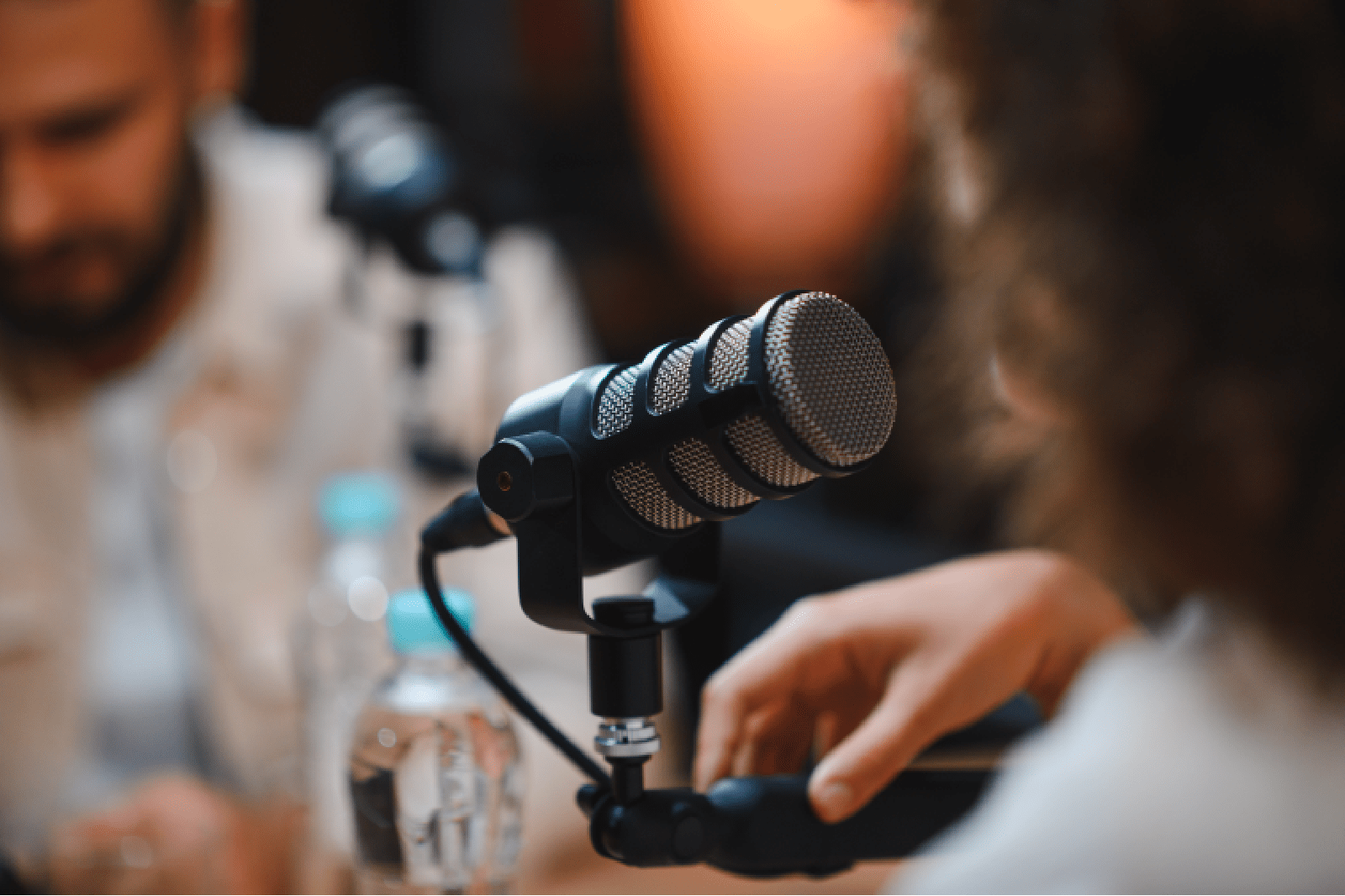

Aside from being a global business hub, London is also a podcasting hotspot – with recording studios, industry experts, and a thriving network of creators.
This isn’t something to ignore, as the medium has skyrocketed in popularity in recent years, becoming a favourite pastime for tens of millions of people.
According to Edison Research, more than two thirds of UK adults have listened to a podcast at some point in their lives, with 51% being monthly listeners and 33% listening weekly.
Podcasts therefore represent a significant opportunity for businesses to reach and connect with their target demographic, as they offer a unique blend of accessibility, convenience, and personal engagement.
In this sense, they can be a powerful marketing tool – but is a podcast right for every type of business? When might it not be the right strategy? After all, it’s important to understand the substantial commitment involved before diving in.
Let’s break it all down.
Benefits of starting a podcast for your business
In the age of AI, authenticity is more important than ever.
Podcasts allow your audience to connect with your business on what feels like a more intimate, personal level – almost as if you’re pulling back the curtain and letting them in.
It’s true that you can use artificial intelligence to quickly produce a podcast for your business, but audiences are becoming more savvy and tend to know the difference.
You should also want to show the real people behind your company. Afterall, it’s their knowledge and expertise that will convince people to become customers.
Customers today are far more mindful about who they choose to give their money to, and often want to ensure they’re supporting ethical brands that align with their own personal values.
Beyond just reassuring prospective customers, though, regular podcast episodes keep your business at the forefront of listeners’ minds, building brand recognition over the long term.
Can I claim expenses when running a podcast?
The short answer is yes, you can claim both capital allowances and allowable business expenses, so long as they are wholly and exclusively for your business.
What’s the difference, though?
Capital allowances for podcasters
Well, although the general concept is similar, capital allowances are a type of tax relief only available on long-term assets, which refers to those you can reasonably expect to stay in use by the business for at least a year.
In terms of running a podcast, you might want to invest in high-end equipment like headphones, microphones, and soundproofing panels.
Claiming capital allowances means you can deduct part or all of the asset’s value from your profits, which in turn reduces your tax bill.
It should be noted that there are different types of capital allowances, each with different criteria, and so it’s worth doing your research.
Claiming business expenses
Allowable business expenses, on the other hand, cover assets you expect to last less than 12 months, or your day-to-day running costs.
For example, if you decided to rent out a professional studio instead of buying all the equipment yourself, you could write off the associated costs as business expenses.
Tips for starting a podcast
What will you talk about?
As a starting point, you need to decide what it is you’re actually going to talk about.
This may seem like it goes without saying, but without relevant and engaging content that resonates with its intended audience, your podcast won’t get very far.
One useful tip is to try and identify a particular niche which will set your podcast apart from others of a similar type.
For example, a unique format or style of presentation.
Production values matter
The next thing you’ll want to do is invest in the production value of your podcast. Adiences will be immediately put off by issues like poor audio quality – no matter how good the content itself may or may not be!
Where will you host it?
Once you’re up and running, you’ll need to decide on a home for your podcast, and this should be reflective of the kinds of people you’re looking to reach.
The most common platforms include Spotify, Apple Podcasts, or even YouTube if you opt to record a video version.
Promotion
Lastly, you’ll need to promote your podcast in order to generate some buzz around it.
This can be done on social media (e.g. by giving it a memorable name), or by networking with other podcasters in your field.
When you shouldn’t start a podcast
We’ve gone through all the benefits of starting up a podcast for your business, but when might it not be the right move? Well, the level of commitment required should be apparent by now, and the reality is that an especially small business may struggle to sustain this over an extended period.
Listeners have been conditioned to expect regular episodes (whether weekly, bi-weekly, or monthly), and so, in order to be worthwhile, a podcast requires ongoing support in the form of time, effort, and resources. Inconsistent posting or a lack of interesting, well-researched topics can lessen the podcast’s impact and result in a loss of listeners.
Assess whether you think you can maintain a consistent production schedule before starting a podcast. If the answer’s no, podcast sponsorship or advertising can be an alternative, more cost-effective way to capitalise on the growing popularity of the medium.
Find more help with accounting and finance for your London-based business in our information centre.
